

PowerPoint Presentation Design
PowerPoint Presentation Design have become a ubiquitous means of communication in today’s digital world. They are utilized across various fields, from business to education, as a powerful tool for conveying information and ideas. However, a well-crafted PowerPoint presentation design is what distinguishes an engaging, memorable, and effective presentation from a forgettable one. In this comprehensive guide, we will delve deep into the art of PowerPoint presentation design, emphasizing the importance of design principles, strategies, and best practices. For further assistance with your PowerPoint presentation design, visit powerpointpresentationhelp.com.
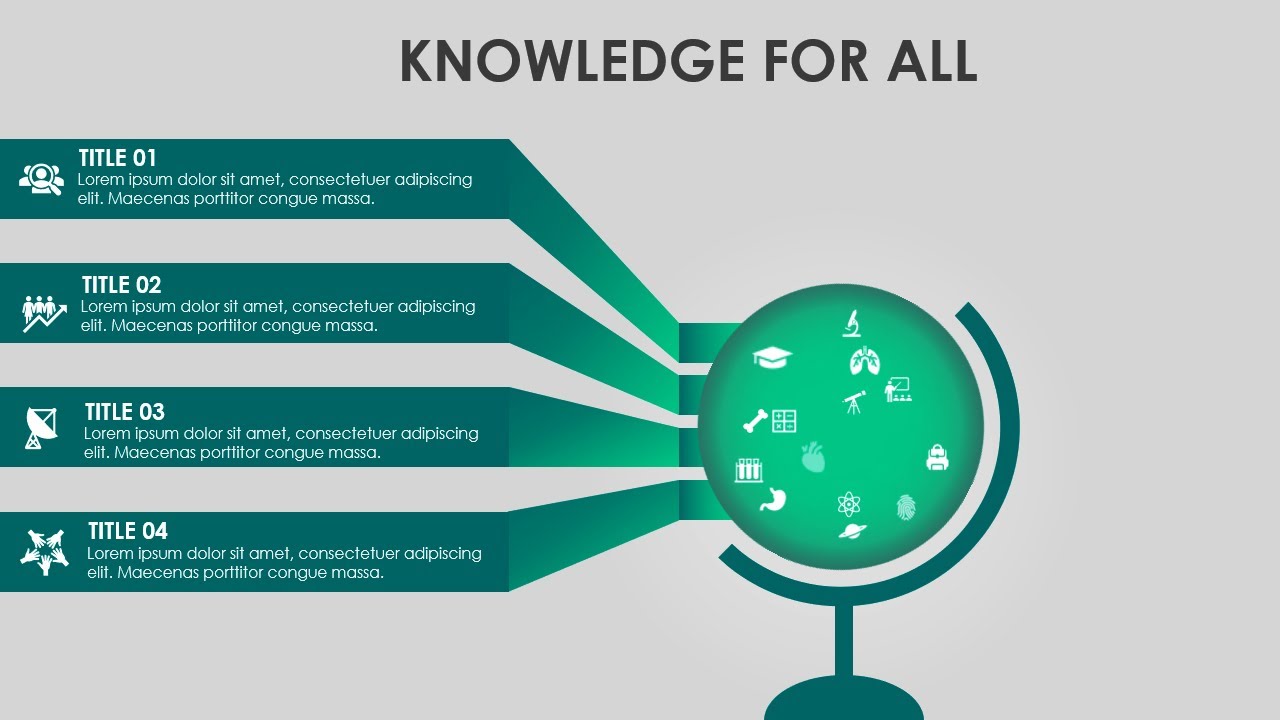
The Significance of PowerPoint Presentation Design
Let’s start by understanding why PowerPoint presentation design is so crucial. The design of your presentation greatly influences how your message is received. Here are some compelling reasons to focus on your presentation’s design:
- Visual Appeal: A well-designed presentation is visually appealing, capturing the audience’s attention and holding it throughout the presentation.
- Comprehension: Effective design aids in conveying complex information in a clear and understandable manner.
- Professionalism: A polished and well-designed presentation reflects professionalism and competence.
- Engagement: Engaging design elements keep the audience interested and help them remember the content.
- Retention: Proper design helps in retaining the information presented.
- Credibility: Good design instills trust and credibility in the content and the presenter.
Now that we’ve established the importance of PowerPoint presentation design, let’s explore how to master it.
Elements of a Winning PowerPoint Presentation Design
- Layout and Structure:A well-structured layout is the foundation of your PowerPoint presentation. It should include:
- A clear title and introductory slide.
- Consistent fonts and font sizes.
- A logical sequence of slides that follows a story or message.
- Adequate spacing and alignment to reduce clutter.
The structure should guide your audience through your presentation seamlessly.
- Color Scheme:Choosing the right color scheme is essential. The color palette should be:
- Cohesive: Stick to a limited set of colors that complement each other.
- Easy to read: Ensure text is legible against the background.
- Reflective of your brand or topic: Colors should convey the message you want to send.
Consistency in your color choices creates a visually appealing presentation.
- Typography:Selecting appropriate fonts for your presentation is crucial. Follow these guidelines:
- Use sans-serif fonts for headings and serif fonts for body text.
- Maintain a consistent font size throughout the presentation.
- Avoid using too many different fonts to keep the design clean and professional.
Typography should enhance readability and contribute to the overall visual appeal.
- Visual Elements:Incorporate visual elements to make your presentation engaging:
- Use high-quality images and graphics.
- Employ charts, graphs, and diagrams to simplify complex data.
- Apply animation and transitions judiciously to add interest without distraction.
Visual elements should complement the content and reinforce the message.
- Consistency:Consistency in design is key. Ensure that:
- Slide layouts remain the same throughout.
- Font choices and sizes are consistent.
- Colors and graphic styles align with your theme.
Consistency fosters a cohesive and professional appearance.
- Whitespace:Whitespace, or the space between elements, is vital. It:
- Improves readability.
- Provides breathing room for the audience.
- Emphasizes important content.
Properly utilized whitespace guides the audience’s attention and reduces visual clutter.
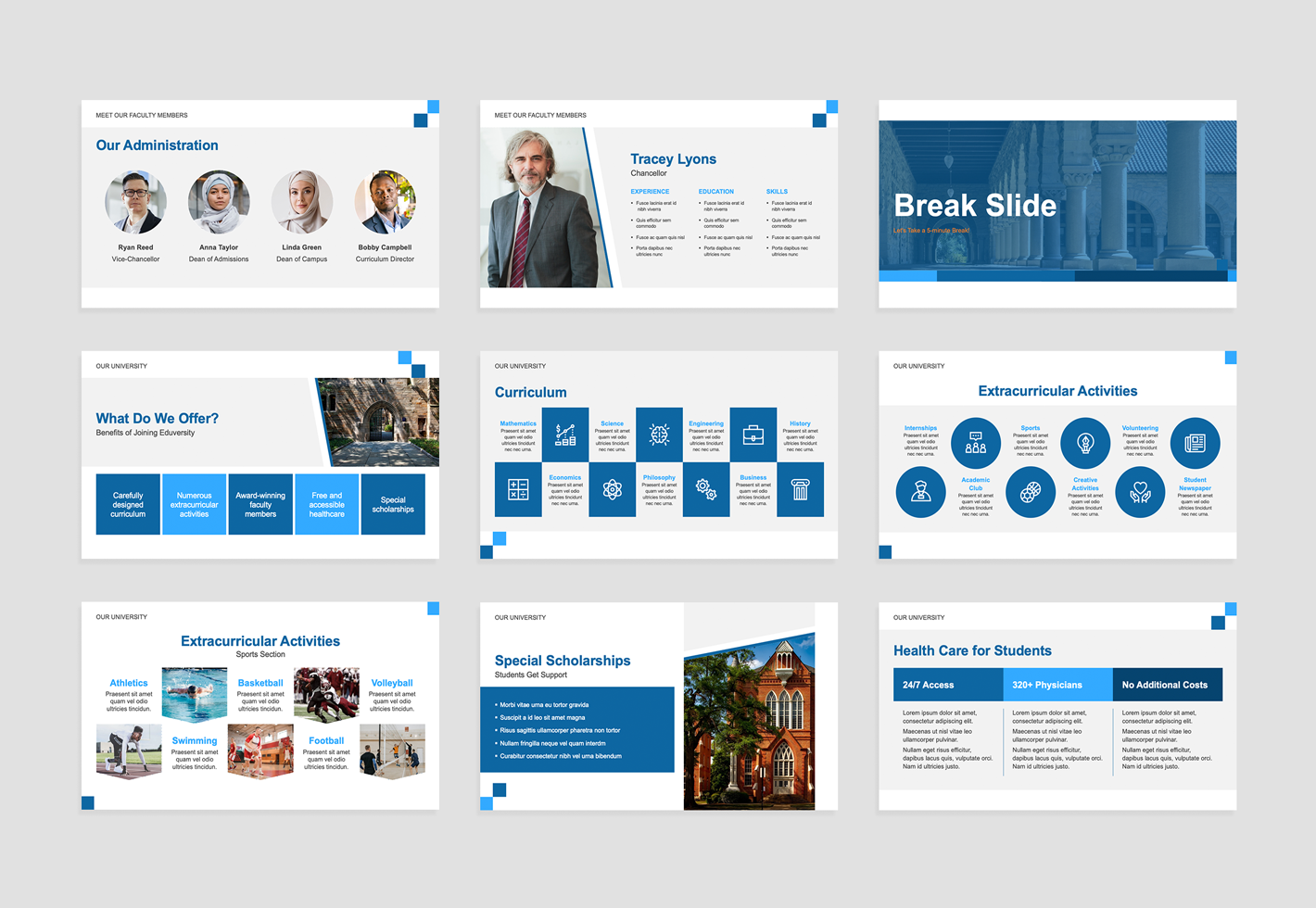
Strategies for Effective PowerPoint Presentation Design
- Storytelling:Weave a narrative throughout your presentation. This keeps the audience engaged and helps them remember your message. A compelling story adds depth to your content.
- Simplicity:Less is often more. Avoid cluttered slides and long paragraphs. Simplify your message to its core components for better comprehension.
- Visual Hierarchy:Create a visual hierarchy with font sizes, colors, and placement. This guides the audience’s attention to the most important elements on each slide.
- Audience-Centric Design:Tailor your design to your specific audience. Consider their preferences, knowledge level, and expectations when designing your presentation.
- Practice and Rehearse:Practice your presentation multiple times to ensure that your design enhances your message and doesn’t distract from it.
Best Practices for PowerPoint Presentation Design
- Maintain Clarity: Use simple language and concise statements. Avoid jargon or complex terminology.
- Use Visuals Wisely: Visual elements should support your content, not overshadow it. Use images, charts, and graphs when they enhance understanding.
- Limit Bullet Points: Overuse of bullet points can be monotonous. Instead, use visuals or concise sentences.
- Transitions and Animation: Use transitions and animations sparingly. They can enhance engagement but should not detract from your message.
- Feedback and Iteration: Seek feedback from peers or colleagues and be open to making improvements.
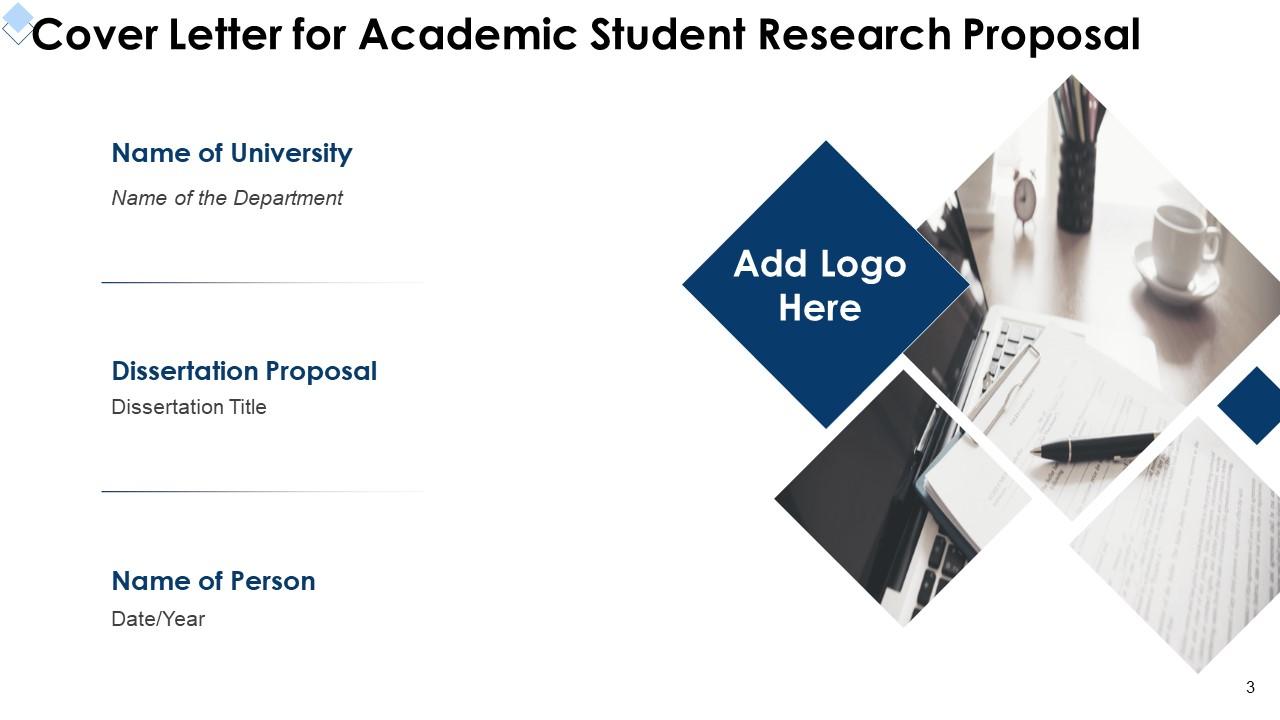
Conclusion
In today’s world of information overload, an exceptional PowerPoint presentation design is the key to effectively communicate your message and leave a lasting impression. A well-designed presentation not only captivates your audience but also enhances your credibility and professionalism. To further enhance your PowerPoint presentation design skills, consider seeking assistance from experts at PowerPointPresentationHelp.com.
Remember that effective design is not about dazzling your audience with fancy graphics but about conveying your message clearly and engagingly. By following the principles, strategies, and best practices outlined in this guide, you’ll be well on your way to creating PowerPoint presentations that stand out and deliver your message with impact.
